


New York’s Staley-Wise Gallery invites visitors on a striking photographic journey through the life of one of pop culture’s most enduring figures.
Many have enchanted the public consciousness, but few have remained as entrenched and unforgettable as Marilyn Monroe. There is, of course, the image: the platinum bouffant glowing almost white against her skin; the red lips against a megawatt smile; the sequined gown draped over her body as she serenaded a president on his birthday. Yet this is only part of the story of a woman inextricably linked to pop culture, a siren and a saint for the silver screen. To mark her one hundredth birthday this year, Staley-Wise Gallery in New York has launched Becoming Marilyn, an exhibition that seeks to do justice to a life immortalized in cinema, photographs, and popular memory.
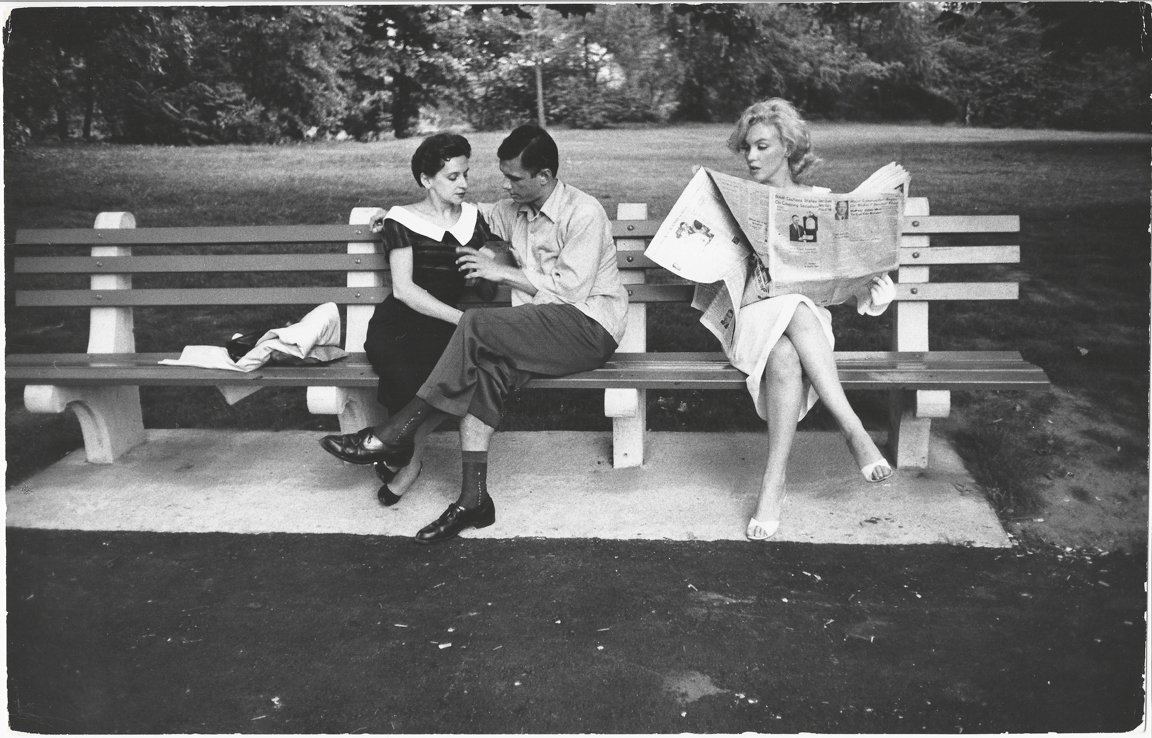
Becoming Marilyn, on display until August 21st, traces Monroe’s whirlwind courtship with celluloid. As aptly stated by her friend, photographer Sam Shaw: “The camera loved Marilyn and Marilyn loved the camera.” She didn’t simply simper and smolder; she lived authentically before the lens. Glamour shots, propping up the myth of Monroe, are offset by intimate moments of a barefoot woman absorbed in a script. The real Marilyn, which may sound like something of an oxymoron, shines through as a genuine personality.
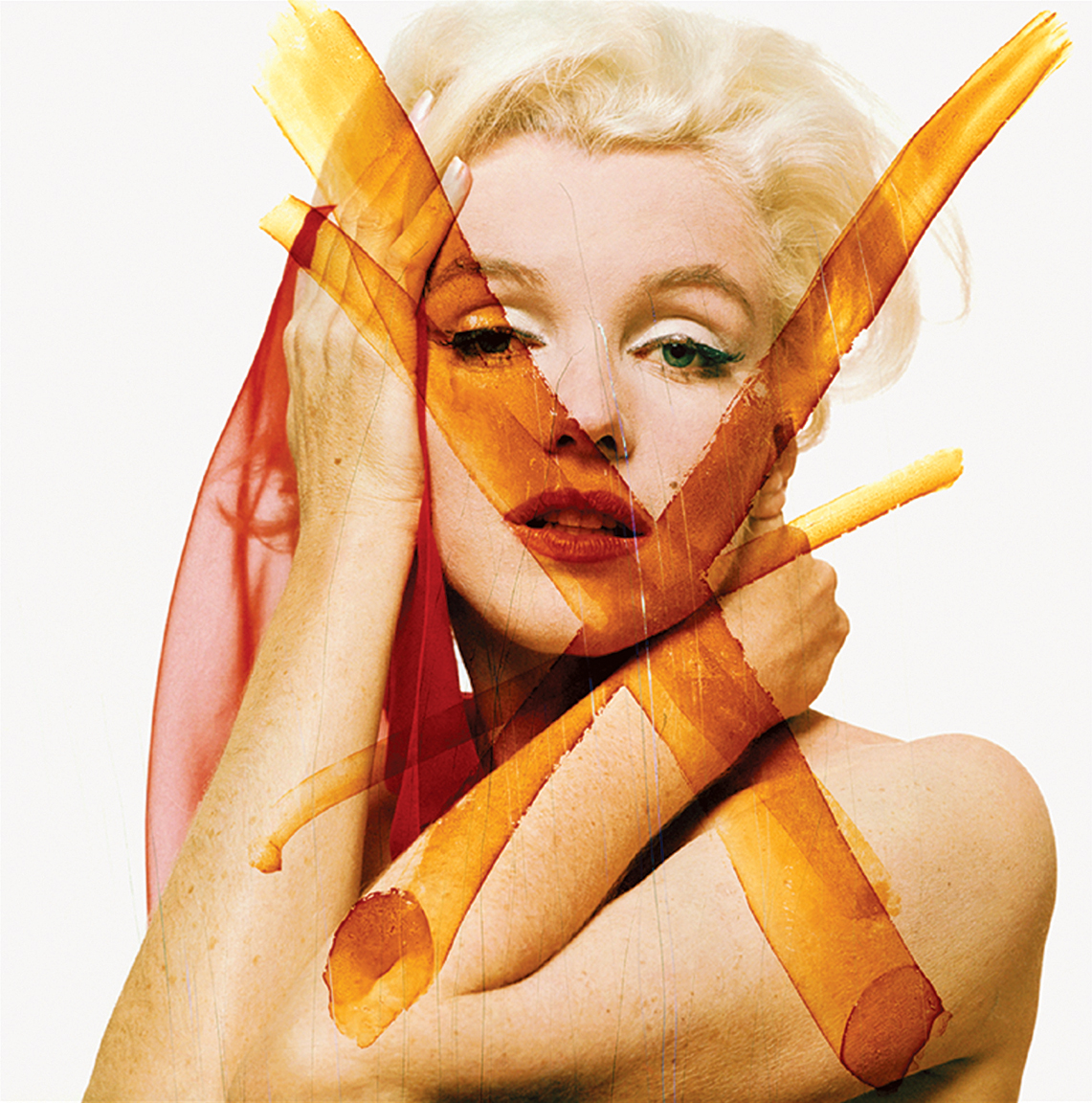
When one looks at a photograph of Marilyn Monroe, her rise to fame feels almost kismet. It’s hard to imagine her not being a star. That unquestionable quality extends to the exhibition itself. A harmony exists between Marilyn as subject, the images that cemented her legend, and the exhibition’s careful choreography. Against a stark black wall, visitors are confronted with Bert Stern’s Crucifix II, taken during the pair’s last sitting prior to her death in 1962. The nude Monroe is cast in a gauzy light, as though her essence were already slipping from the camera and this Earth. An orange mark crudely traverses her, inviting thoughts of Monroe’s martyrdom to celebrity, or perhaps merely revealing Stern’s editorial process. Like Monroe, the woman and the myth, the photograph resists easy interpretation.
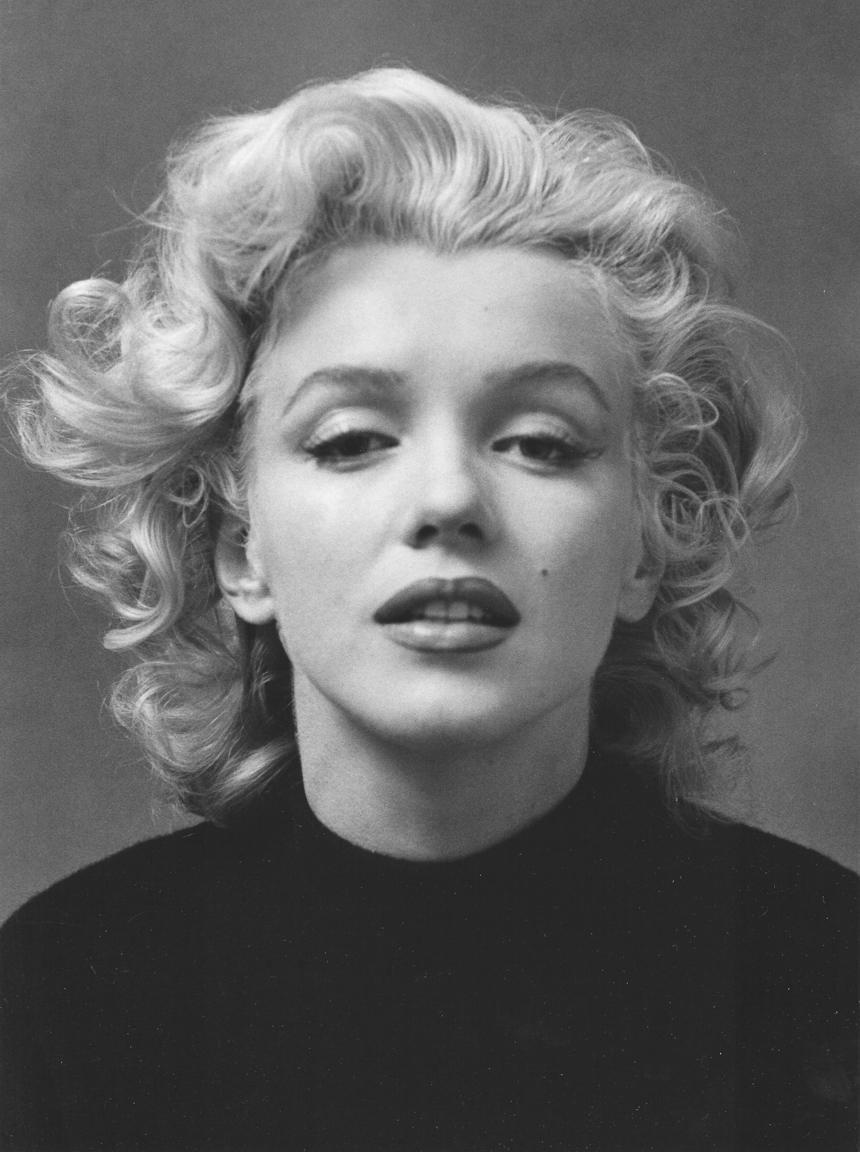
Weaving through Monroe’s life in pictures, the exhibition is more a patchwork motif than a chronological journey. Becoming Marilyn presents the actress in a montage, a flurry of imagery arranged by mood, unity, and sometimes conflict of portrayal. She is America’s sweetheart in some, the ultimate vamp in others. She is Marilyn the icon, cast by Andy Warhol in vibrant pop art color, but also Norma Jeane Mortenson, understated and smiling on a California beach. Milton Greene’s 1954 portrait of Monroe as a ballerina, barefoot in a filmy tulle gown, sits beside Cecil Beaton’s 1956 shot in New York, legs tossed up behind her in heels as she lounges sultrily on a couch. She plays each role gamely, leaning into the duality.
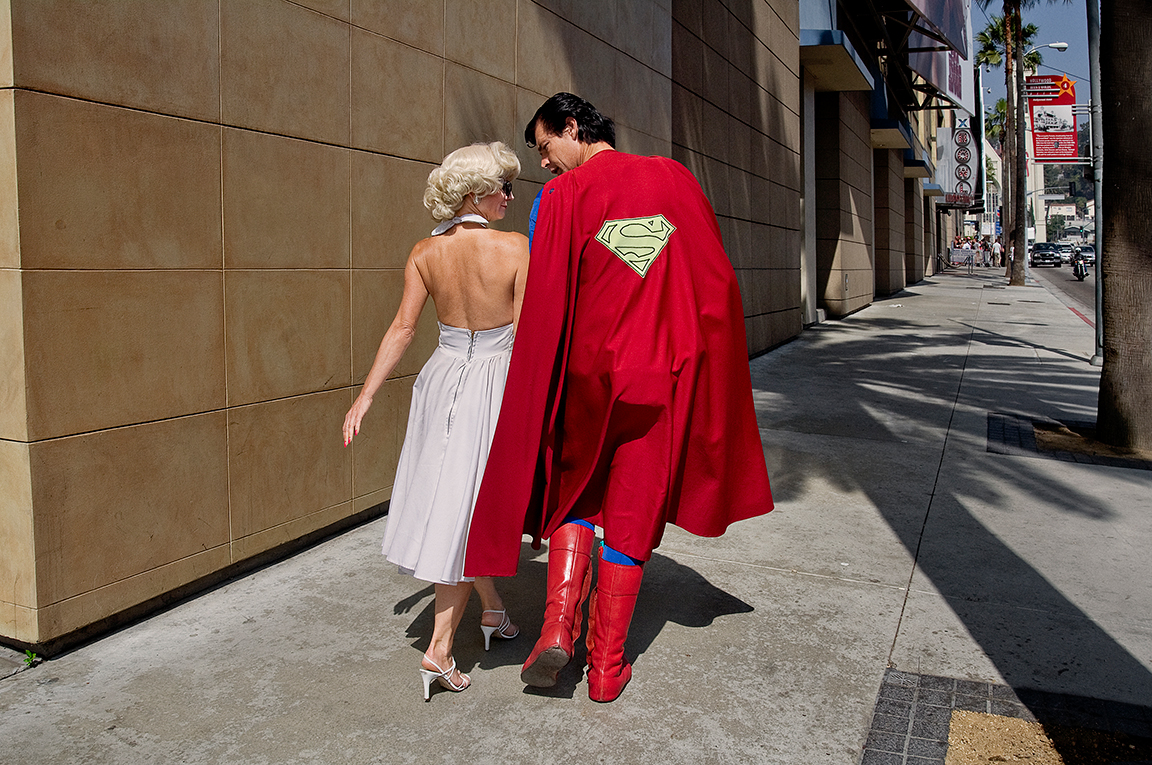
For someone eternally thirty-six, Monroe’s cultural afterlife has stretched long beyond her lifetime, her influence eternally etched in the pop culture landscape. Like dutiful students of a master in iconography, shots of Monroe are accompanied by those of downtown icon Amanda Lepore and the Queen of Pop herself, Madonna. David LaChapelle captures Lepore not as Monroe, but rather as Warhol’s interpretation of her, pop culture collapsing in on itself like the Ouroboros. Madonna becomes Monroe before Patrick Demarchelier’s lens, embodying the star at her own arguable peak of fame in the early 1990s. Monroe’s legacy becomes a rite of passage: to align yourself with her is to declare yourself a star.
Becoming Marilyn is a sensory treat for the hardcore Monroe devotee, the pop culture historian, or even the most tangential of fans. It is an opportunity to immerse yourself in the warm, timeless aura of one of our brightest and most tragic of stars.
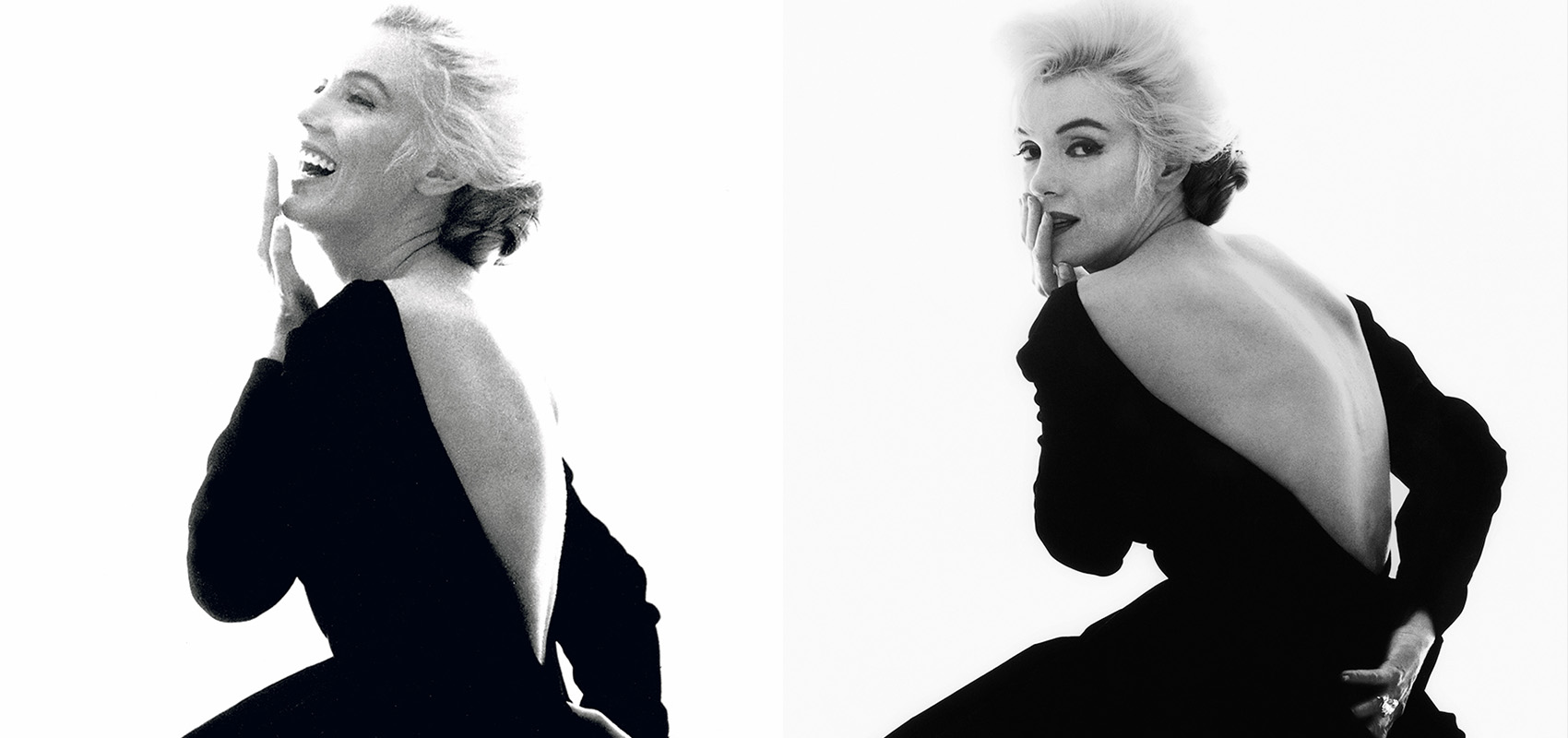
The exhibition is on at Staley-Wise, 100 Crosby Street, Nyc, Ny, 10012, until August 21, 2026. Homepage banner by Fan Mail: Marilyn Monroe sorts out her fan mail shortly after her film “The Asphalt Jungle” had been released, 1952 © Getty Images / Slim Aarons. Homepage thumbnail Marilyn Monroe, ‘Ballerina’ Sitting, New York City (b/w), 1954© Milton Greene / MHG Collective LLC. Inside header image Marilyn Monroe: From “The Last Sitting®” Black Dress, Laughing, and Black Dress, Looking Over Shoulder 1962 © The Bert Stern Trust.