


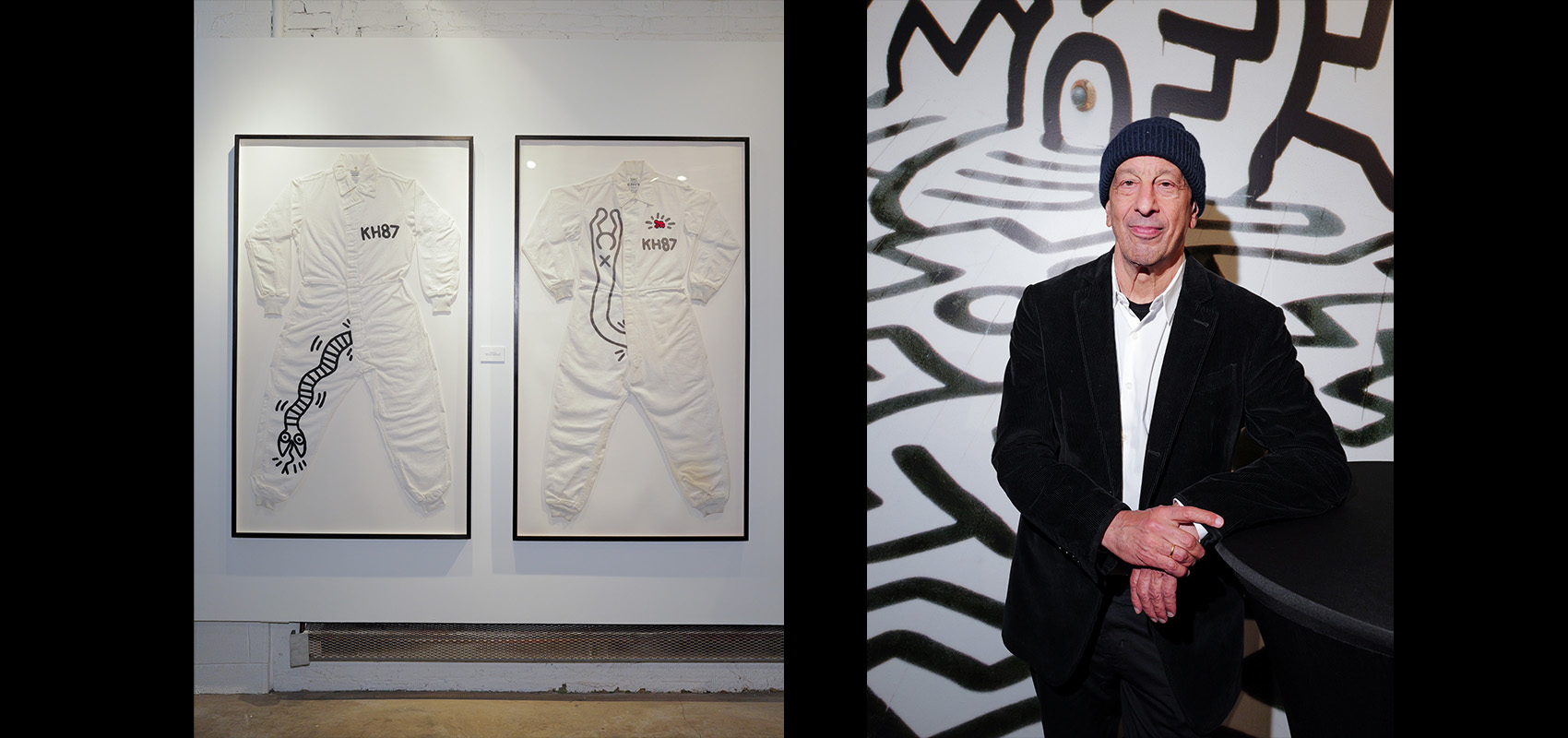
Founder of CART Department and collector Larry Warsh discusses collecting, the car as a canvas, and imagining art for the future.
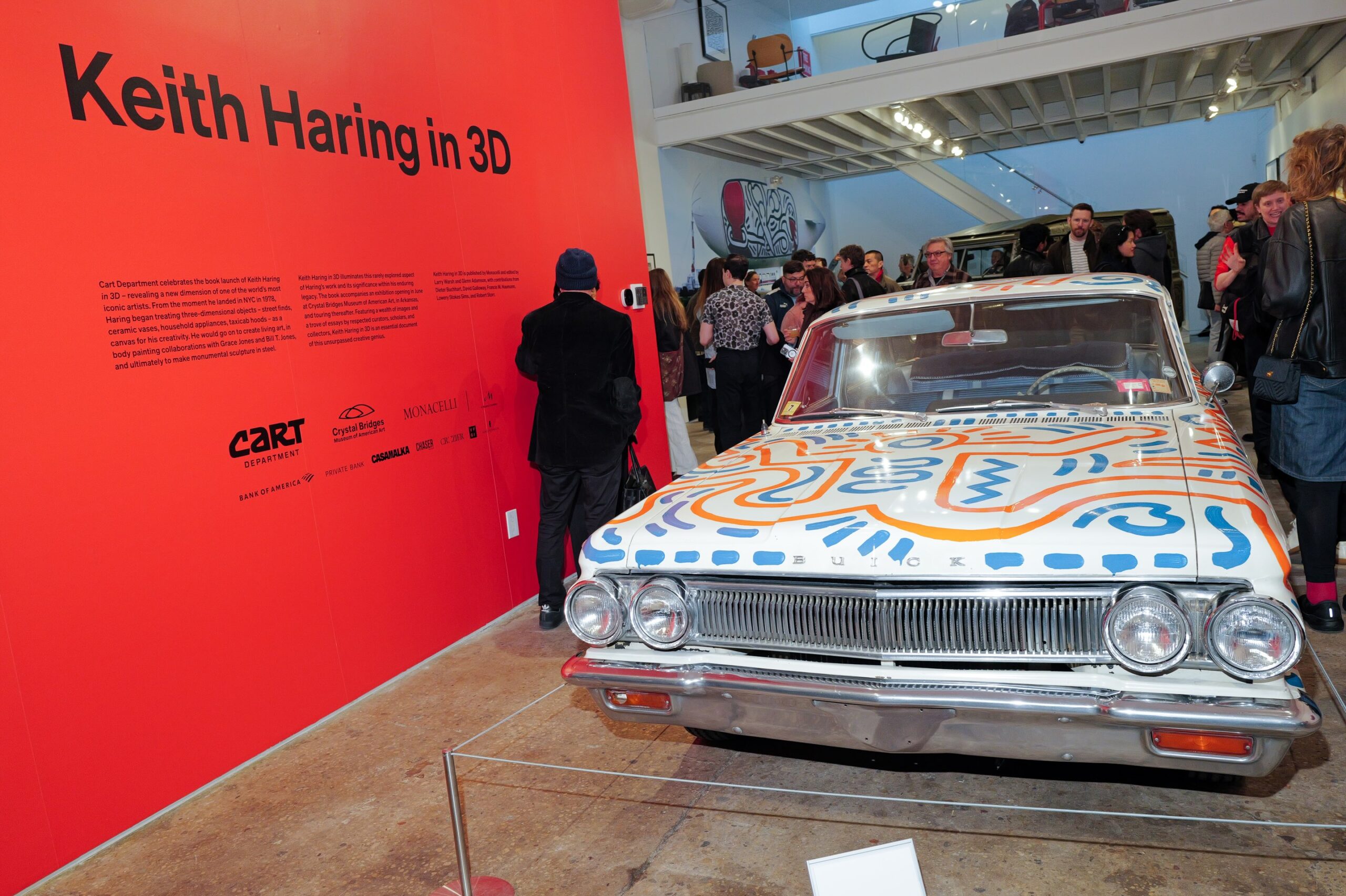
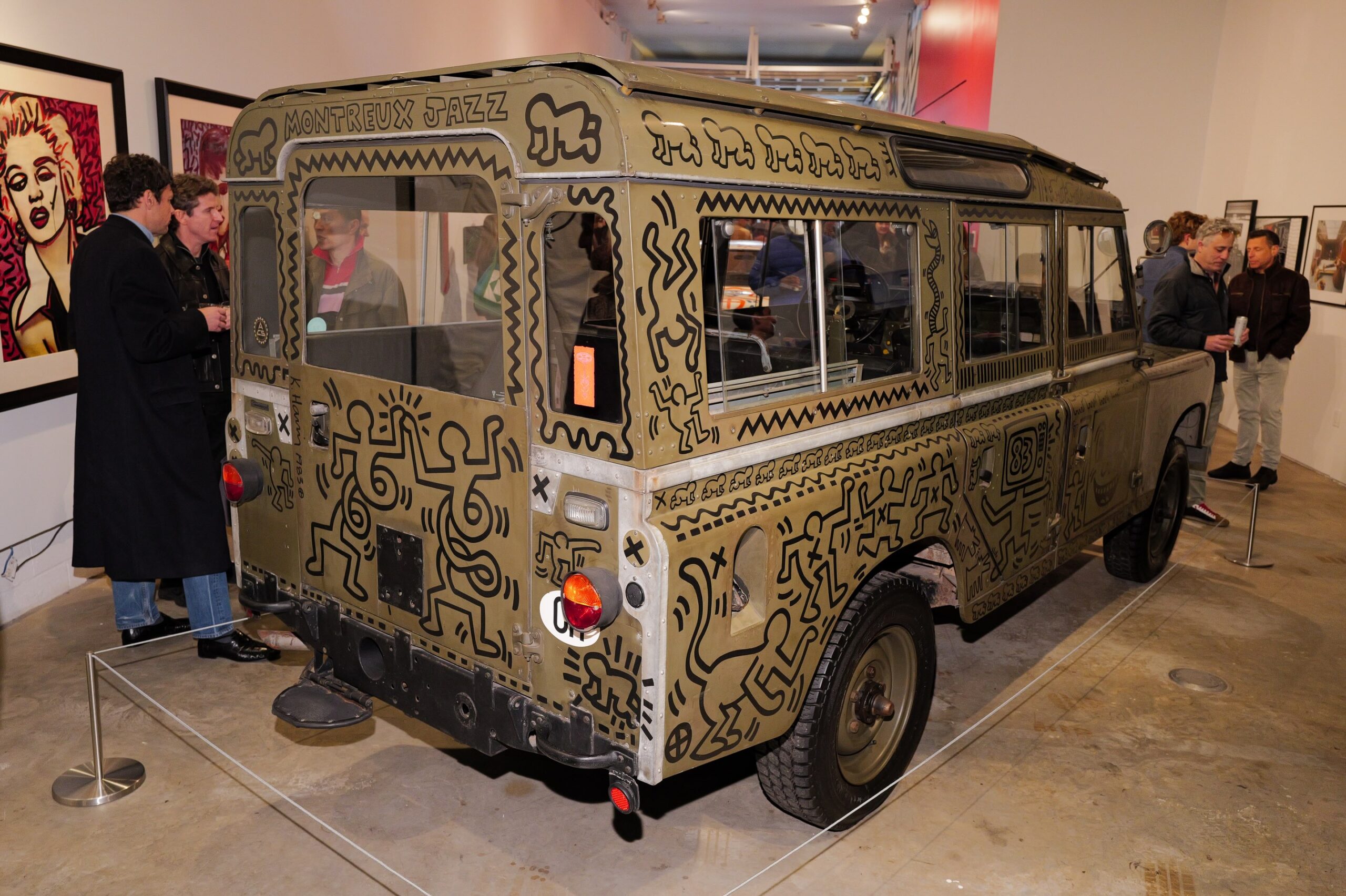
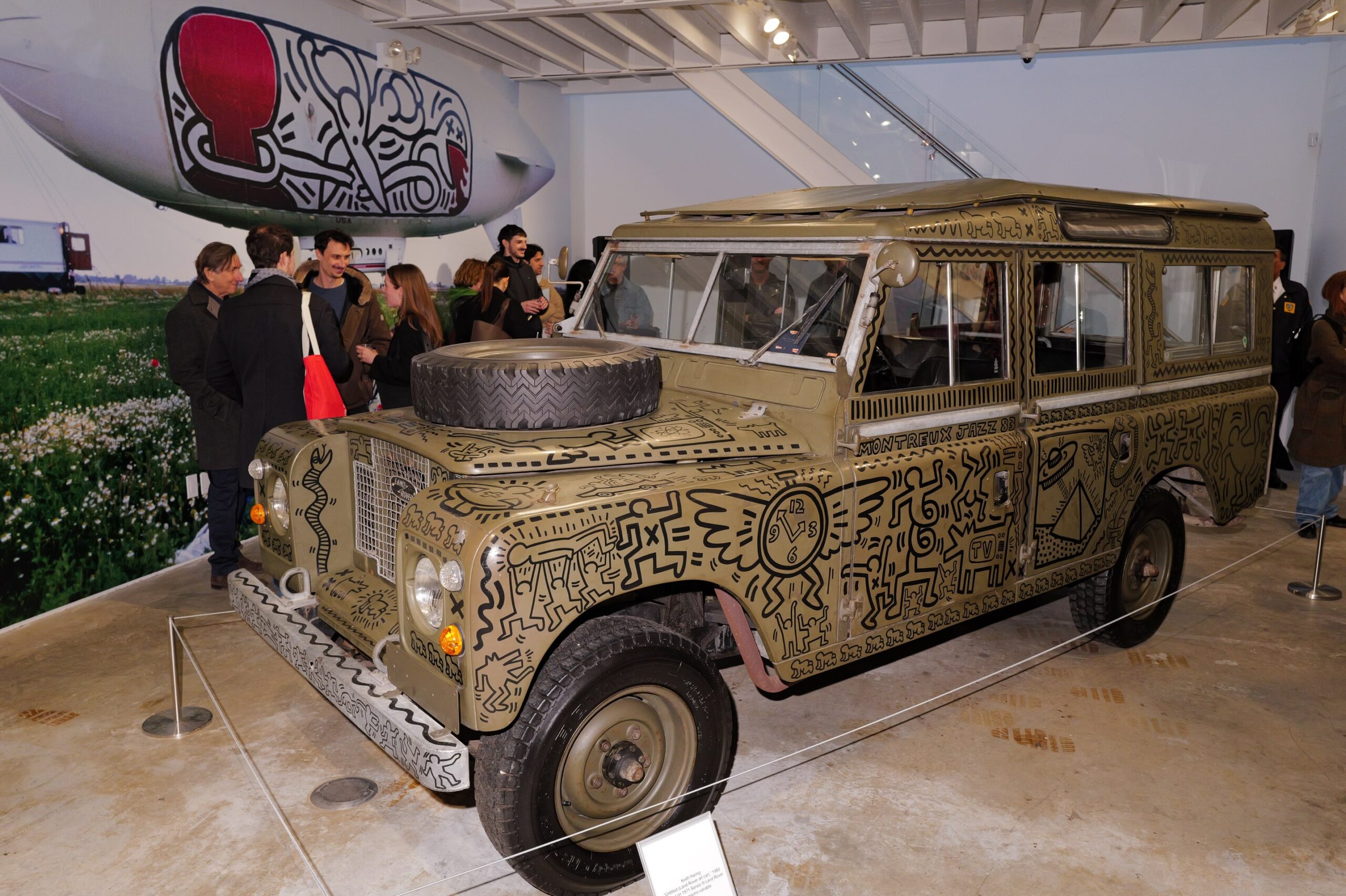
CART Department is currently displaying two of Keith Haring’s vehicular sculptures in their West Village gallery space, Free Parking. Since 2013, Larry Warsh has been accumulating and commissioning a collection of 70 art cars conceived by renowned figures across contemporary art and popular culture including Marina Abramović, Damien Hirst, Barbara Kruger and Pharell. His collection attests to the possibility of the car—symbol of speed, masculinity, status and modernity—to become a compelling site of artistic intervention and reach out to audiences beyond the art world.
OSCAR VOGEL: WHEN DID YOU START COLLECTING?
LARRY WARSH: As early as I remember I’ve been collecting things. From baseball cards, to coins, to objects. Around me, some family members used to collect antiquities, porcelain, old paintings. I had this one uncle who bought a lot of paintings. I wouldn’t say they were all valuable. We used to go to Sotheby’s in the city all the time where I started to immerse myself in fine art. And then I went on to collect all kinds of objects. Just things I liked, mostly from flea markets. Then when I moved downtown, I lived on Astor Place in New York City, that’s when things changed for me. I was in the middle of the 80s. I would walk out of my door and I started to see what was going on with friends. I met artists, hung out, went to galleries. And that’s when I focused on the 80s artists.
OV: WHO WERE THESE FRIENDS? WHAT WAS IT THAT YOU SAW IN THEM THAT OTHER PEOPLE WERE MISSING AT THE TIME?
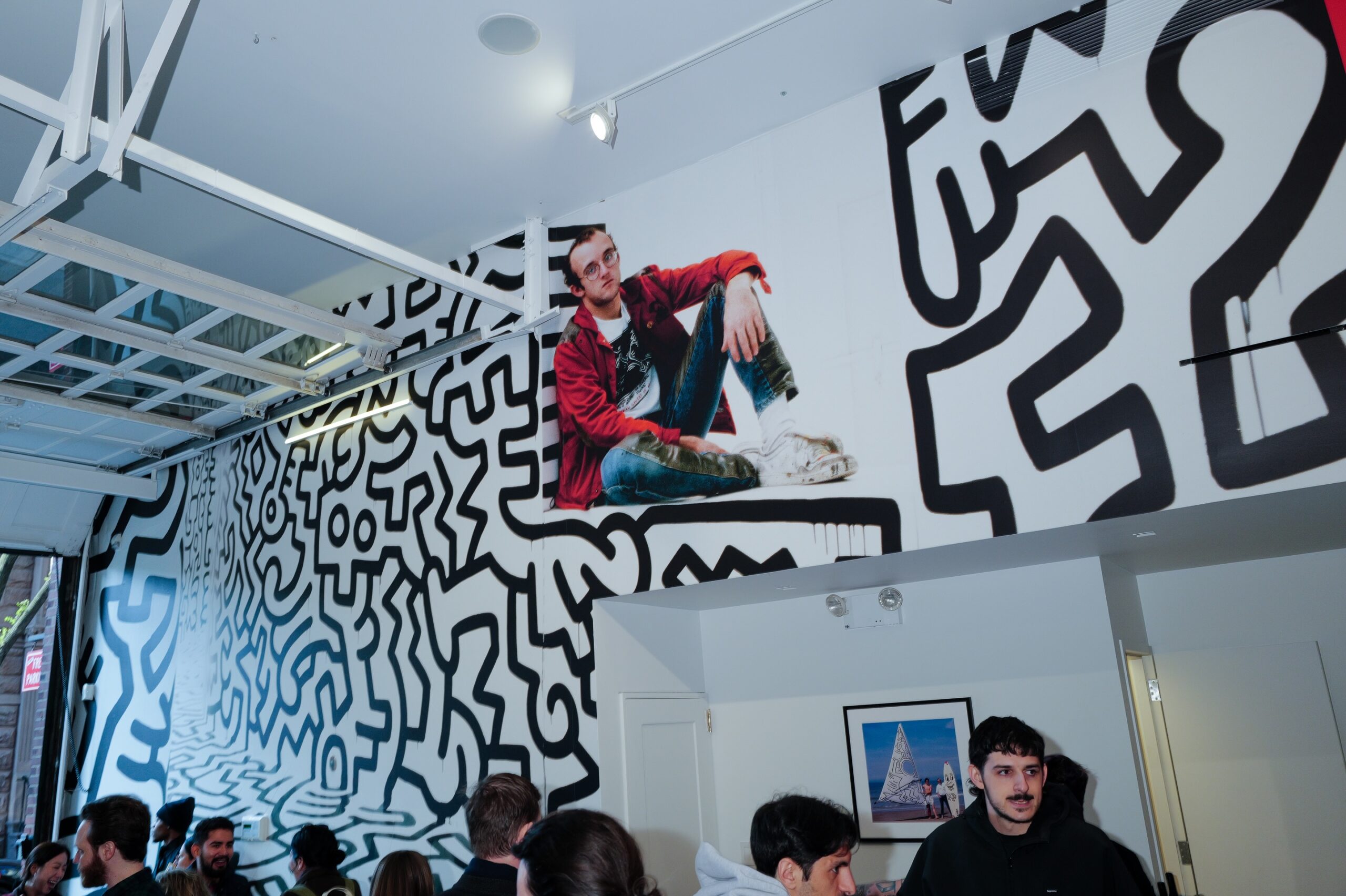
LW: Kenny Scharf. Kylie Jenkins. Futura. Lenny McGirr. Tseng Kwong Chi. There was Patti Astor who started the Fun Gallery. Rene Ricard, a literary genius, who used to come to my house at all hours with artworks. There was a whole community. And when I was around that community, I felt the energy of a time. I decided to go heavy on accumulating works because I thought they would be important in the future. I focused on Basquiat, Haring, Scharf and a few others. I did look ahead and feel that these artists and this time would be important. And it might take ten years for this to happen. But you know, the art of our time is not always recognized in our time.
OV: IS IT STILL POSSIBLE TO LOOK AHEAD OF THE CULTURE IN THE WAY THAT YOU DID AT THAT TIME IN DOWNTOWN SCENE?
LW: I do like a lot of artists today, but in terms of gauging their importance in the same way that I did, it’s a different playing field. Everything’s global, everything’s digital, and the system has changed. I could see an important artist of our time. I could see important works as well. I don’t have that interest anymore to do the same thing. I don’t have that interest to collect in depth.
OV: DOES CART DEPARTMENT, FEEL LIKE AN EXTENSION OF YOUR COLLECTING, OR SOMETHING DIFFERENT?
LW: I’m kind of chilling on being an aggressive, compulsive collector of a single artist. The same passion that I had back then I’ve converted into cars and culture and art. I want to develop an important collection of art cars for the future. So when I’m not here, someone can walk into a museum and see all the important artists of our time depicted with cars as canvases.
OV: HOW HAVE THE CAR WORLD AND ART WORLD RESPONDED DIFFERENTLY?
LW: The thing about cars that I like is it’s a bridge to various audiences that are not art audiences. I’m seeing that first-hand with the shows that I’m doing in New York City this week with Keith Haring’s cars. A lot of the people who come in are not art collectors. They’re not necessarily appreciators of fine art. They’re cultured. They like cars. They look at these objects and they’re excited. You can teach art with cars.
OV: DO YOU REMEMBER THE MOMENT THAT YOU FIRST CAME ACROSS THE KEITH HARING CARS AND WHAT WAS IT THAT DREW YOU TO THEM THEN?
LW: I didn’t start collecting cars. So when a car came along by Keith Haring, because I always bought objects I said okay, I’ll take a car. And then I just put it away. Then one day in 2013 my friend Adam Lindemann did a show called Piston Heads which was a show of art cars. So I lent them these two cars. I walked in and said, oh, shit, I love this idea. I ended up getting this ‘aha’ moment. And that’s how I started this accumulation of cars. A lot of the artists I have, I normally wouldn’t collect them, but in the context of important artists of our time and who these artists were, why not?
OV: IT’S ALMOST LIKE A TIME CAPSULE. AN ARRAY OF OUR ERA’S GREATEST CREATIVE MINDS. EVERYONE’S VERSION OF THE SAME PREMISE.
LW: A time capsule. That’s what I’m able to do. I’m not an artist. I don’t have a studio. I’m looking at this notion of accumulation as a way of contributing to the cultural sector and world, both present and future. So I do look ahead like I did prior and say, okay, in 100 years someone’s going to walk in and see all these people and understand this time with cars. I sort of feel like I’m working for the future. But a future scientist, you know? Dealing with the present and presenting it in a way that will last a little bit over time.
The exhibition ‘Keith Haring: In the Street’ is on view at Free Parking, 16 Morton St, West Village, New York City, until Sunday, 19 April.