


Tate Britain shows the lasting influence of 90s Art and Fashion on contemporary culture.
There is something strange about feeling nostalgic for a decade you yourself have never experienced. From the resurgence of jungle and drum and bass to the increasing appeal in vintage fashion, a decade that ended before many of us were born retains an unmistakable hold on the present. As a twenty-two year old whose generation have built an affection for a time we only know through fragments, I ask what is it about the 90’s that has us hooked?
My exploration begins with the Tate Britain’s exhibition ‘The 90s: Art and Fashion’, curated by Edward Enninful. Enninful set out to present the decade “as a moment of profound transformation whose ideas, aesthetics and attitudes continue to shape contemporary culture today”. Featuring photography from Juergen Teller’s infamous photograph Young Pink Kate to works from Roshini Kempadoo, Eileen Perrier, Barbara Walker and many more.
Upon entering the exhibition, I was struck by the ordinariness of the room. Set against plain white walls, the collection opens with Corinne Day’s unvarnished and grunge-like photography.
One particularly memorable photograph features a woman sprawled across a sofa in a small Soho flat. Cigarettes and a discarded newspaper litter the floor in an otherwise undecorated room. The photograph was taken for England’s Dreaming and featured in The Face 1993. It offers a strange sense of intimacy, as though I have stumbled upon a moment I was never supposed to see. Corrine Day often found such beauty in the mundane. Her work helped to inspire a new wave of fashion photography, replacing the traditional polished aesthetic for endearing imperfection. Day’s work revealed that beneath the iconic status we have since assigned to the 90s, they were fundamentally a time for celebrating everyday lived experiences.
As I moved through the exhibition I became less interested in recreating the decade’s visual identity, and more inclined to interrogate its feeling. Freedom and togetherness radiated throughout. This connectivity was the most palpable in the music room. Vibrant photographs were plastered against jet black walls. The images were scattered with the informality of a personal photo album, with anecdotes etched into the walls below them.
One line read; ‘Feb 24th I have to get a job!!! Went back to bakery, no go. Went to McD’s “Come back tomorrow’. These handwritten accounts bridge the generational gap through shared experiences.
My viewing experience also proved to bridge this gap. There was a vast age range of visitors. Some younger visitors like myself hoped to gain an insight on the decade whilst others came to relive their experience. Walking behind me were two friends reminiscing on their teenage years, laughing as they recalled being told off by their parents for choosing parties over family dinners. I found myself smiling at their conversation. For them, the decade was not a glamorized aesthetic, it was a collection of memories. I was struck by how little the feeling of adolescence seemed to change. We might be separated by a generation, but the desire for independence and rebellion remain familiar to us all.
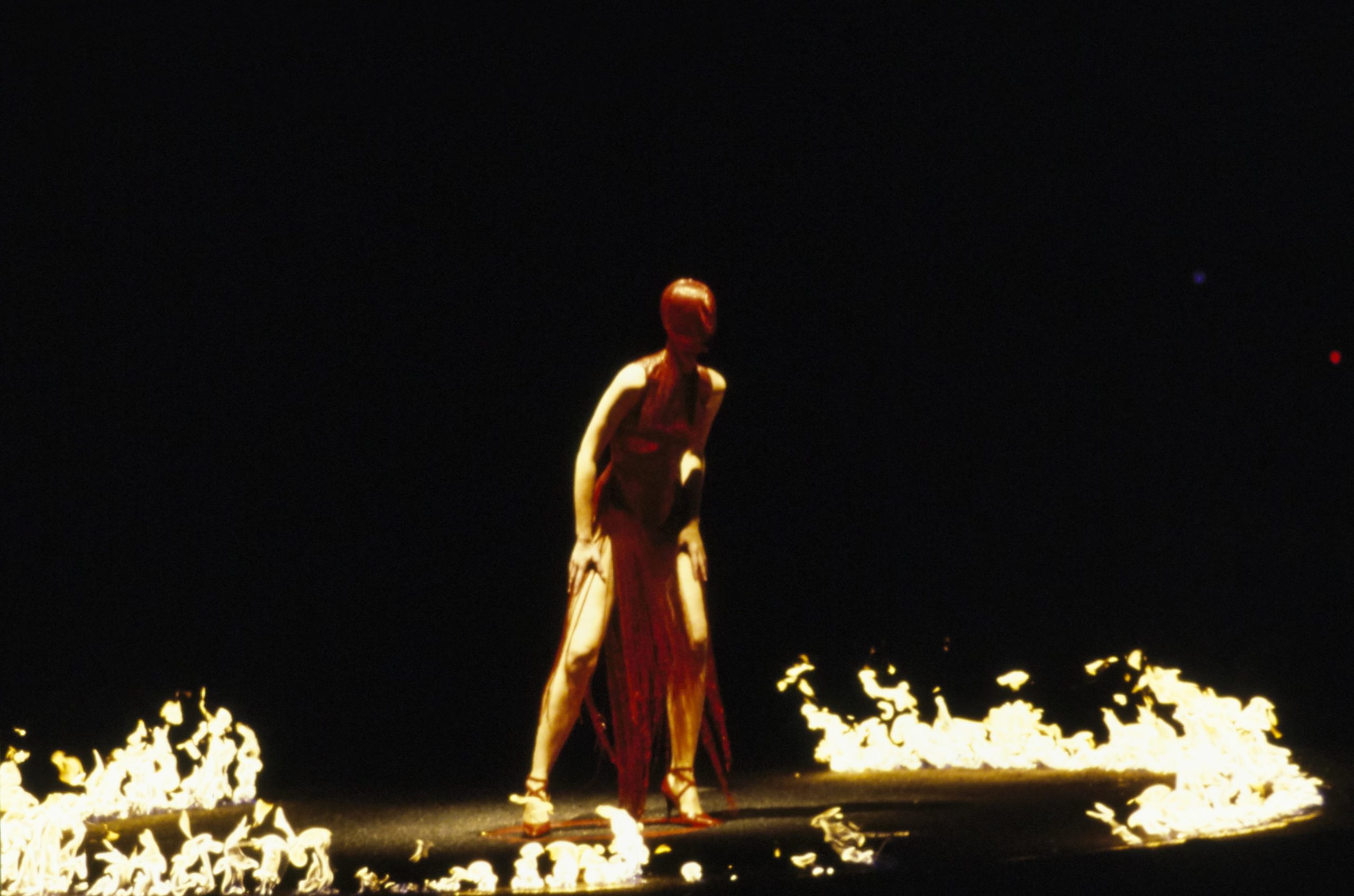
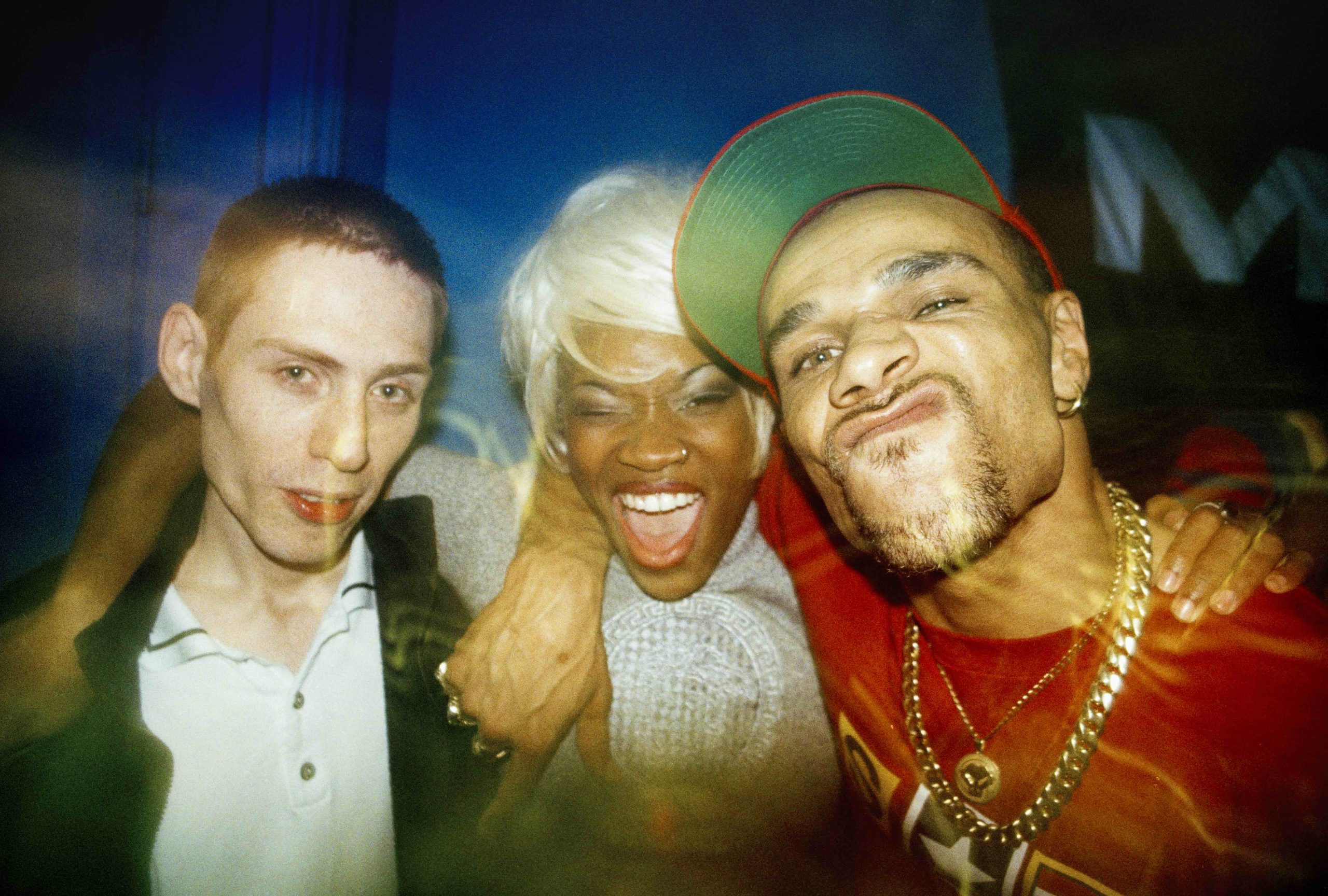
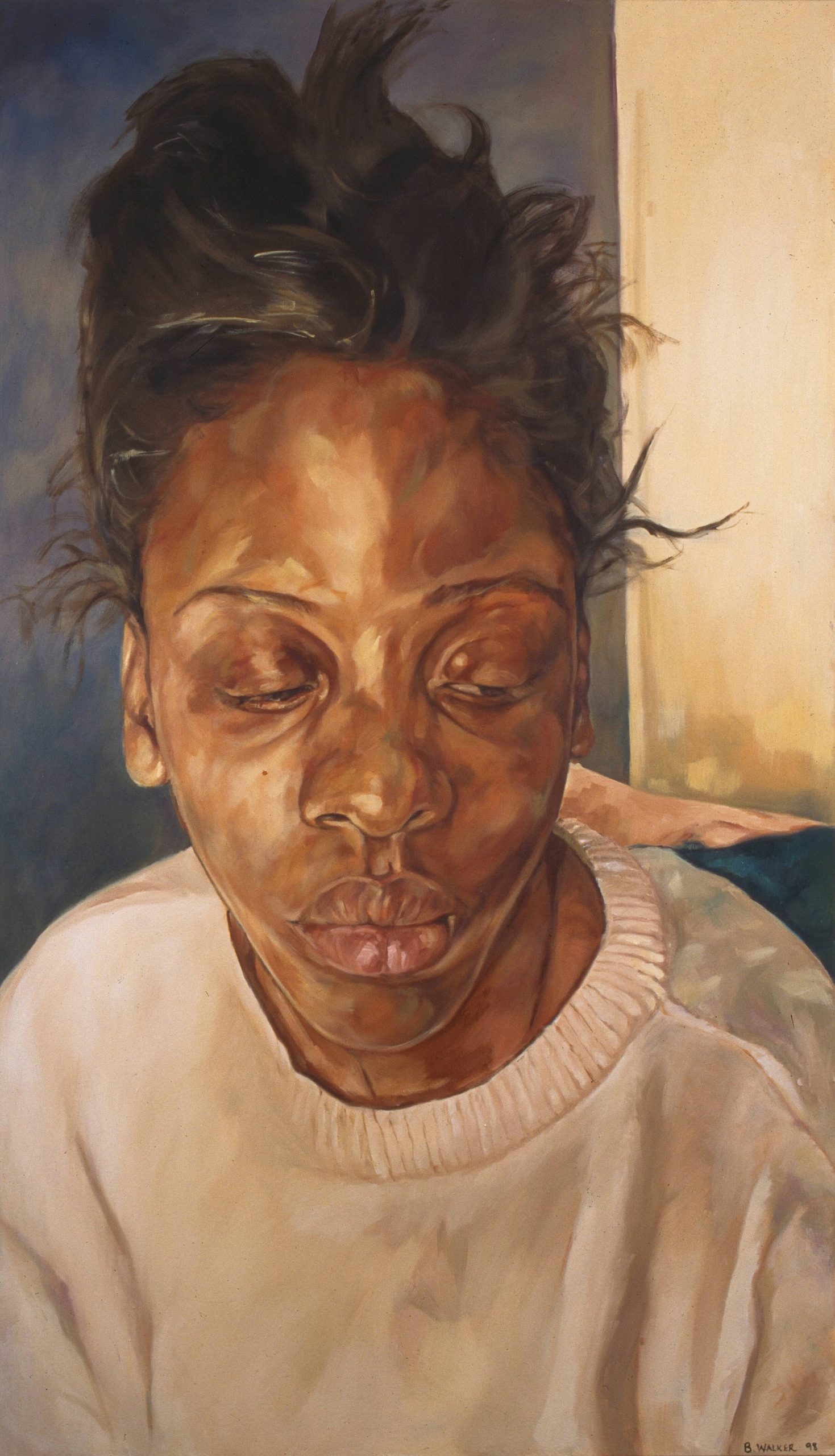
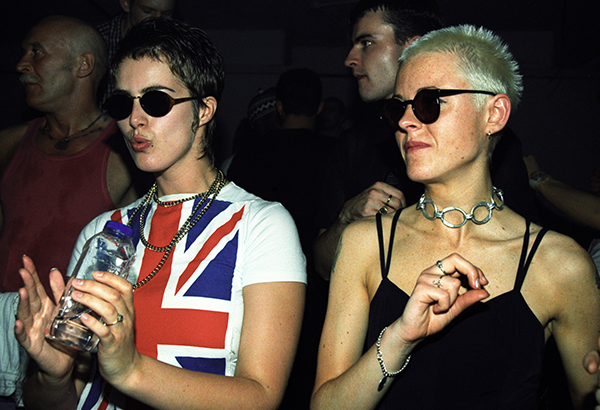
Featured photographer Ewan Spencer comments on this connection. He believes “we can all find something we recognize in images of adolescence”. Working to capture the U.K. Garage scene, one of his photographs features two women dancing as though the rest of the room has ceased to exist. Sweat glistens on their foreheads, remaining refreshingly unaware of the cameras.
This feels strikingly different from club scenes today where phones turn collective experiences into individual performances. Yet there is a longing to bring this connectivity back. London has a renewed appetite for club culture, from the return of Drumsheds to the widely anticipated reopening of Printworks. We are trying to experience music without relying on new technology. More live music events are enforcing a no phones policy, and there is also a resurgence of vinyl and CD sales.
This desire for connection also invites a reconsideration of fashion. Second-hand resale platforms like Vinted allow a new generation to connect with the decade without imitating it or manufacturing it anew. In a fashion industry defined by relentless mass production and short-lived trends, these offer a sustainable alternative.
The Tate exhibition has revealed an unexpected connection between fashion and music for me. Looking back permits us to reconsider our relationship with consumption. It is not what we consume, but how we consume it. The 90s revival is less about psychically replicating the past through fashion trends and popular music, and more about confronting what is now missing. Being truly present.
We cannot miss a time we never experienced. But maybe what we are feeling nostalgic for is not the decade itself, but the way it was lived: authentically, tangibly and communally.
Homepage banner image, Juergen Teller, Young Pink Kate London 1998 © Juergen Teller, all rights reserved, homepage thumbnail image Corinne Day, Rose lying on orange sofa 56 Brewer St Soho London, 1992 © Corinne Day Estate, Courtesy of the Corinne Day Estate and inside image Jon Shard, Flesh at The Haçienda 1996. Courtesy of British Culture Archive © Jon Shard, British Culture Archive. The 90s: Art and Fashion at Tate Britain Millbank London SW1P 4RG on until February 2027.