


From church suits and family photographs to contemporary fashion and portraiture, Sunday Best explores the many ways Black style has become a language of identity, pride and self-expression.
What does it mean to dress your best? A favourite suit, a dress saved for special occasions, or the shoes that only come out when there is somewhere worth going. For generations of Black communities, “Sunday Best” has carried all of this and more. A tradition rooted in church, family, and the pleasure of looking good.
It is this idea that sits at the heart of Sunday Best: The Power & The Glory of Black Style, opened last week at the Art Gallery of Ontario. Bringing together fashion, photography and visual art, the exhibition looks at how Black communities have used clothing and personal style to express identity, pride and resistance.
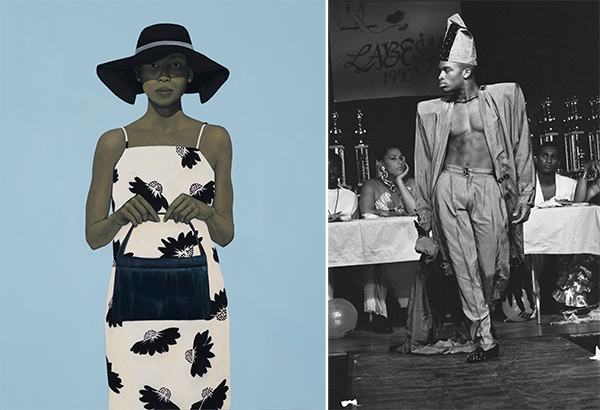
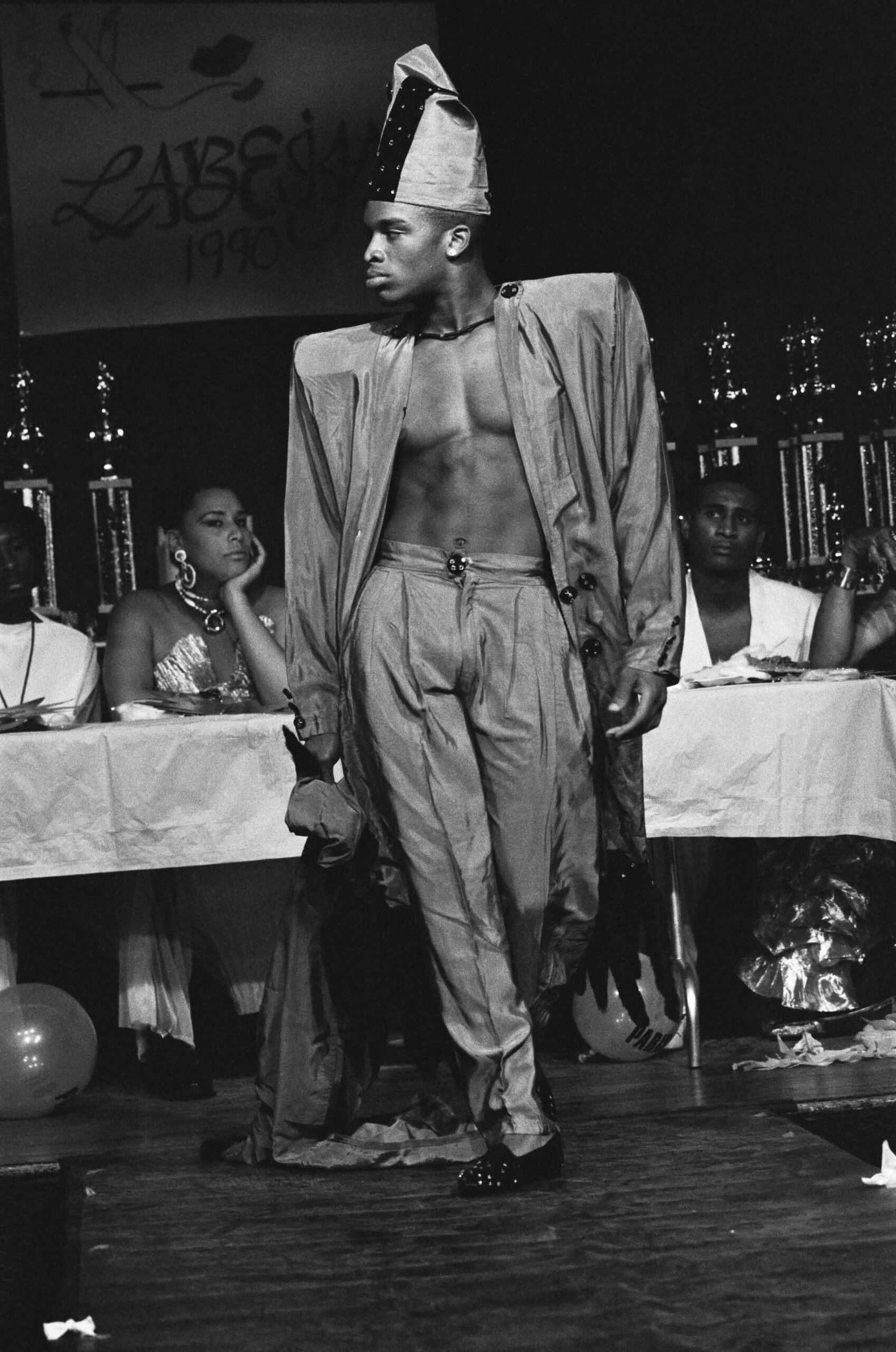
The exhibition brings together artists and designers working across generations and mediums, including Jackie Shane, Tawny Chatmon, Chantal Regnault, Amy Sherald, Christopher John Rogers and William Ukoh. Together, their work moves between portraiture, photography, fashion and personal histories, creating a picture of Black style that is far from singular. There is glamour, experimentation, elegance and play — but also the histories and identities carried through the clothes we choose to wear.
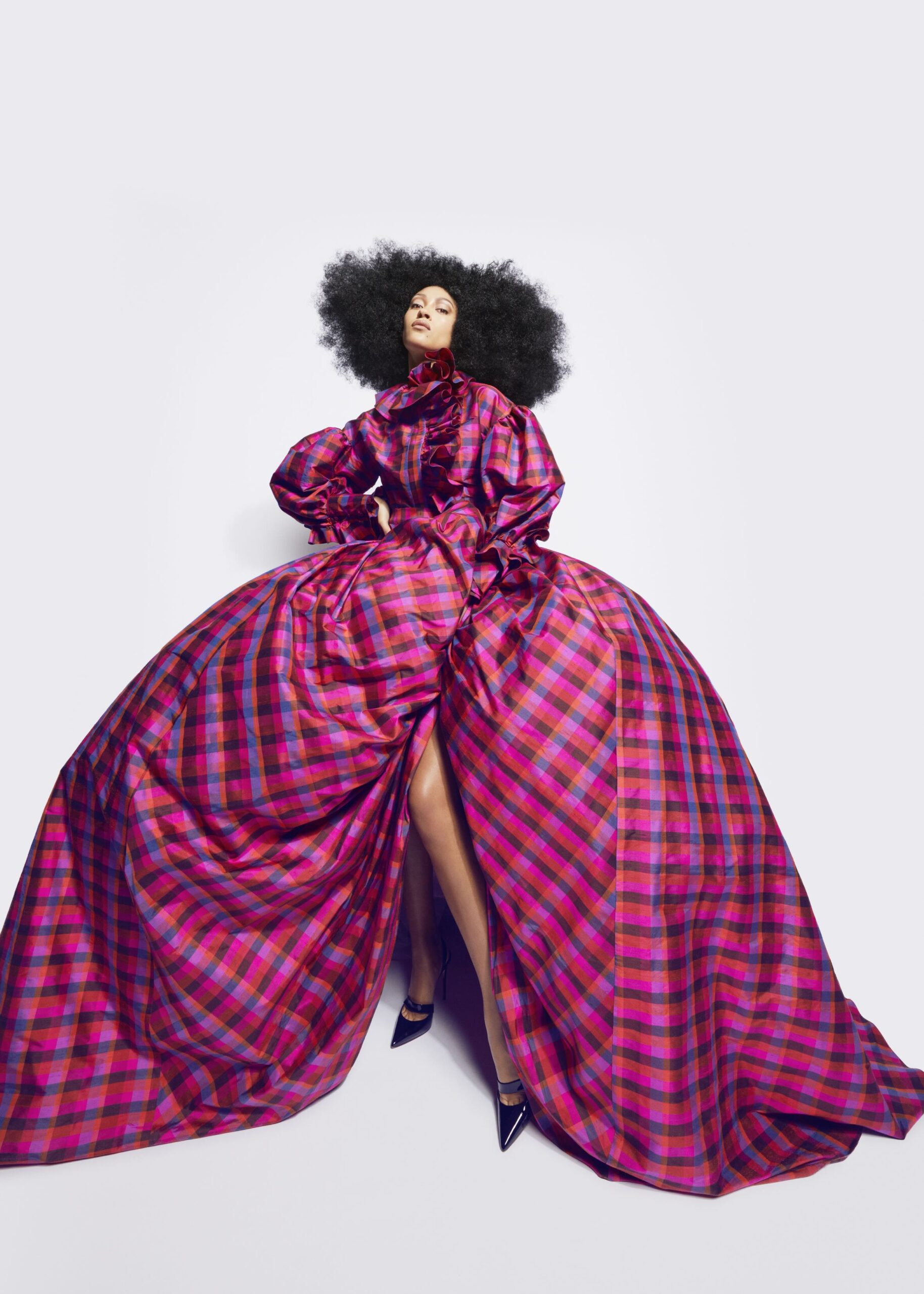
Fashion is equally central. Christopher John Rogers’ Ruffled blouse and ball skirt brings the language of contemporary fashion into the conversation, while William Ukoh’s Aunties in Suits celebrates the quiet glamour and authority of Black women through portraiture.
Among the artists featured is Arthur Timothy, whose painting Boys in Blue (2023) brings a particularly personal story to the exhibition. The painting depicts Timothy and his older brother Desmond outside their home in Bayswater, London, dressed in blue suits and polished shoes on their way to church.
“We would often find out what the sermon was going to be about in advance, so we could sneak away to look at the windows of the West End clothes-shops.”
Arthur Timothy
For Timothy, “Sunday Best” is something he has known since childhood. “The term ‘Sunday Best’ refers to your best clothes,” he says. He and Desmond had special suits reserved for Sundays and special occasions. “The culture which we grew up in celebrated dressing well and looking one’s best.”
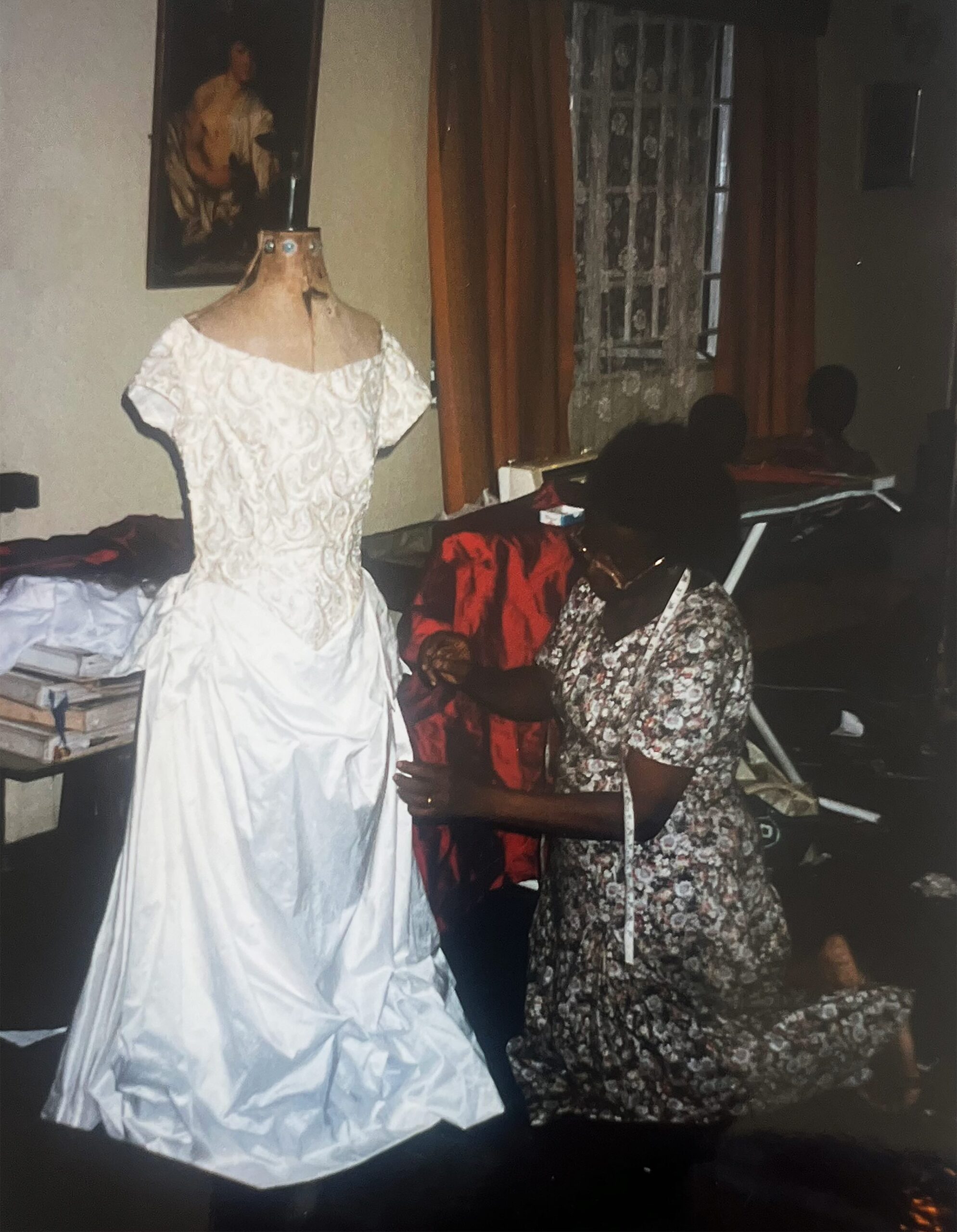
That love of clothes began at home. Timothy grew up in Freetown, Sierra Leone, where his mother worked as a seamstress. Her dressmaking studio was regularly filled with clients, and Timothy and his brother watched as fabric, fittings and imagination transformed into finished looks.
“My mother skillfully made their dresses to highlight their best features and lessen any of their physical disadvantages,” Timothy recalls. “Desmond and I would watch, transfixed, when these ladies came for their fittings, and emerged transformed, as if by magic, in their new outfits. This was the start of our interest in clothes.”
The memory speaks to one of the exhibition’s wider ideas: clothing can be both personal and political. Timothy describes style as a long-standing form of self-expression within Black communities, shaped by histories of slavery and religion. Dressing well could become a way of “challenging ideas that attempted to define and confine the identity of Black people, and substituting that with resistance and pride.”
But Sunday Best is not only about the bigger picture. Some of its most compelling stories come from family photographs, personal memories and the small rituals surrounding getting dressed.
Timothy’s paintings often begin there. “My paintings often use family photographs because family and friends are the people I know best,” he says. Boys in Blue began with a photograph of him and Desmond, capturing the brothers in their Sunday suits. Their father would sometimes let them walk to church alone, with Desmond in charge — although the two had their own priorities.
“We would often find out what the sermon was going to be about in advance, so we could sneak away to look at the windows of the West End clothes-shops,” Timothy remembers. “We were very interested in fashion.”
It is a charming detail, but it gives Boys in Blue another layer. The painting is not simply a portrait of two brothers dressed for church; it is a glimpse into a shared childhood and a lifelong fascination with clothes.
Desmond died shortly before his 21st birthday in 1976. Years later, Timothy returned to photographs and memories of his brother through his Desmond series, finding that painting could also become a way of processing grief. “The process of painting these memories was to prove cathartic for me and helped me to accept my bereavement after so many years,” he says.
That connection between clothing, memory and identity runs throughout Sunday Best. A suit can carry family history. A photograph can become an archive. Getting dressed can be an act of celebration, self-definition or resistance.
For Timothy, bringing these different histories together is part of what makes the exhibition special. “The alignment of the in-depth curatorial research with exhibits by acclaimed fashion designers, photographers and artists makes this exhibition a very special one,” he says.
From Jackie Shane to Amy Sherald, Christopher John Rogers to William Ukoh, and from family photographs to Sunday suits, Sunday Best places very different expressions of Black style into conversation.
Because looking your best has always been about more than looking good. Sometimes, it is about showing up — and making sure you look the part while you do it.
The exhibition Sunday Best: The Power & The Glory of Black Style is on at the Art Gallery of Ontario on now till 28 February 2027.
Homepage Banner image:Tawny Chatmon, The Restoration / Not Your Blackamoor, (2025) . Cowrie shells, acrylic paint, and thread on archival pigment print. Petrucci Family Foundation Collection of African American Art. © Tawny Chatmon. Homepage image, Boys in Blue (2023) by Arthur Timothy, inside top left image Amy Sherald. Listen, you a wonder. You a city of a woman. You got a geography of your own, 2016. Oil on canvas, Overall: 137.2 × 109.2 × 6.4 cm. Collection of Rashid Johnson and Sheree Hovsepian. © Amy Sherald, courtesy Hauser & Wirth.Photo: Joseph Hyde, and inside top right.