


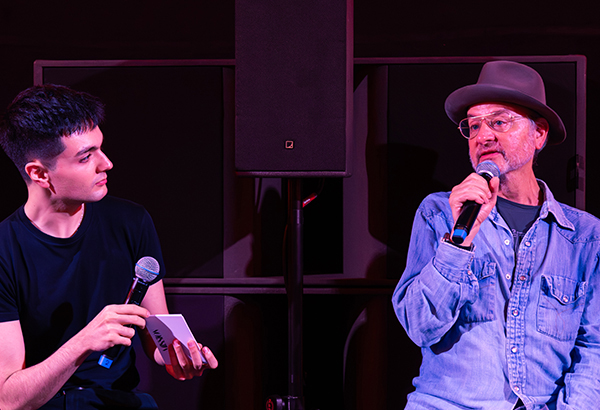
Along with actor, director and activist, Fisher Stevens, Mission gathered various industries figures at London’s Soho Polygon Live, to face the harsh realities of deforestation in the Amazonian rainforest.
I spoke with Fisher Stevens about why, despite the odds, there is finally reason for optimism.
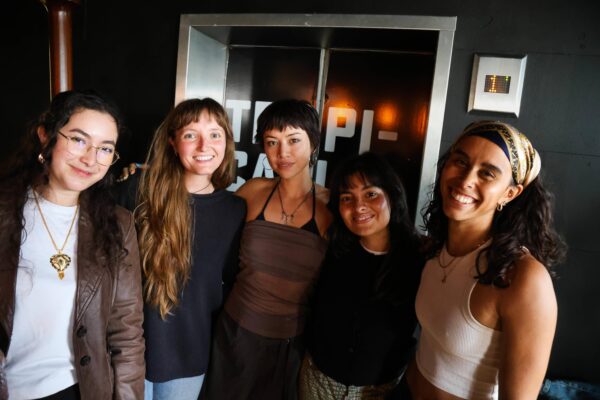
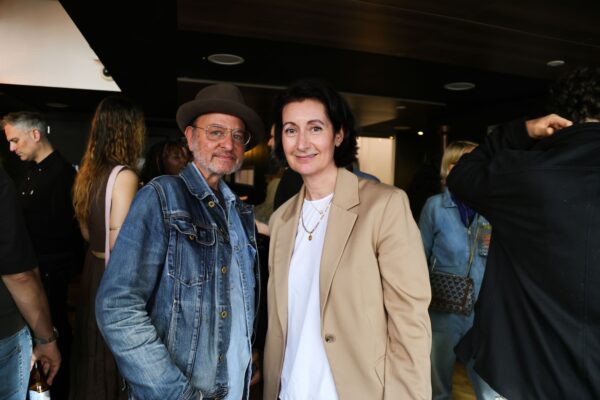
There is an unsettling feeling of alarm and helplessness in watching the Amazon burn from the confines of Soho’s Polygon Portal, particularly on a rainy Tuesday evening defined by the mundane chaos of a London transport strike. But that feeling was exactly the point. When Mission brought together a full crowd of figures including Katharine Hamnett, Clover Hogan, and Dominique Palmer, Tori Tsui, artist Von Wolfe and photographer Philip Sinden, for an exclusive screening of the visceral documentary We Are Guardians, the objective wasn’t just passive awareness; it was rather to inspire action. After the credits rolled, I sat down with the film’s Oscar-winning producer, Fisher Stevens, for a conversation about the corporate machinery driving deforestation, and the indigenous leaders risking everything to protect their home and planet.
As environmental editor and a climate activist, I’ll admit the film’s unfiltered, cinema vérité-style depiction of the destruction initially left me grappling with that familiar sense of hopelessness. Yet, Stevens was quick to reframe the narrative at the start of our Q&A. The documentary was filmed during the right-wing political era of the Bolsonaro administration—but today, under President Lula, 70% of the forest destruction has been halted. Furthermore, indigenous leaders like Sônia Guajajara and Célia Xakriabá are now politically embedded within the government. While Stevens warned of new environmental threats—specifically the discovery of minerals in the Amazon used for smartphones and cryptomining—he revealed that, if the upcoming Brazilian elections go well, an even more optimistic future lies ahead with the country’s next president.
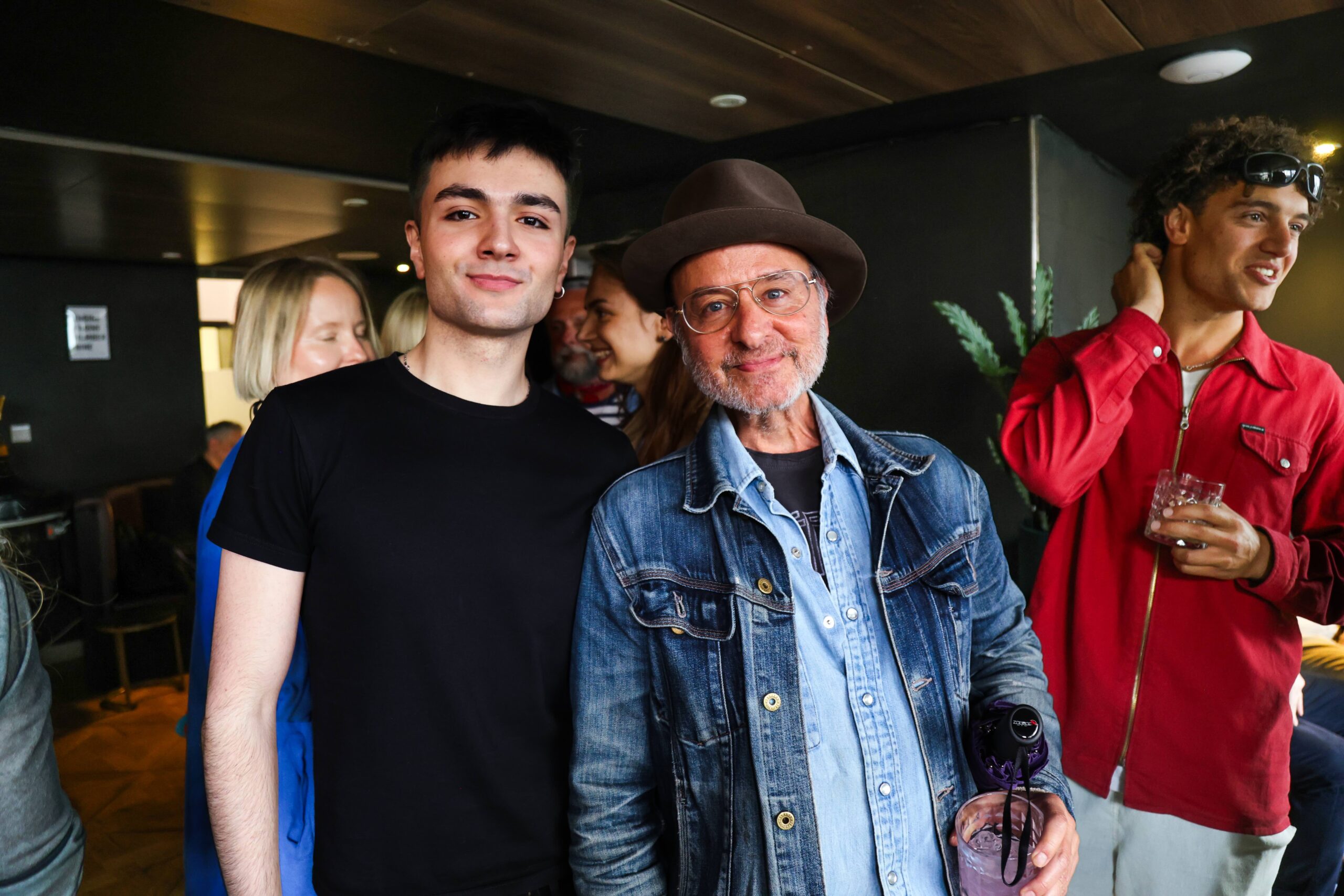
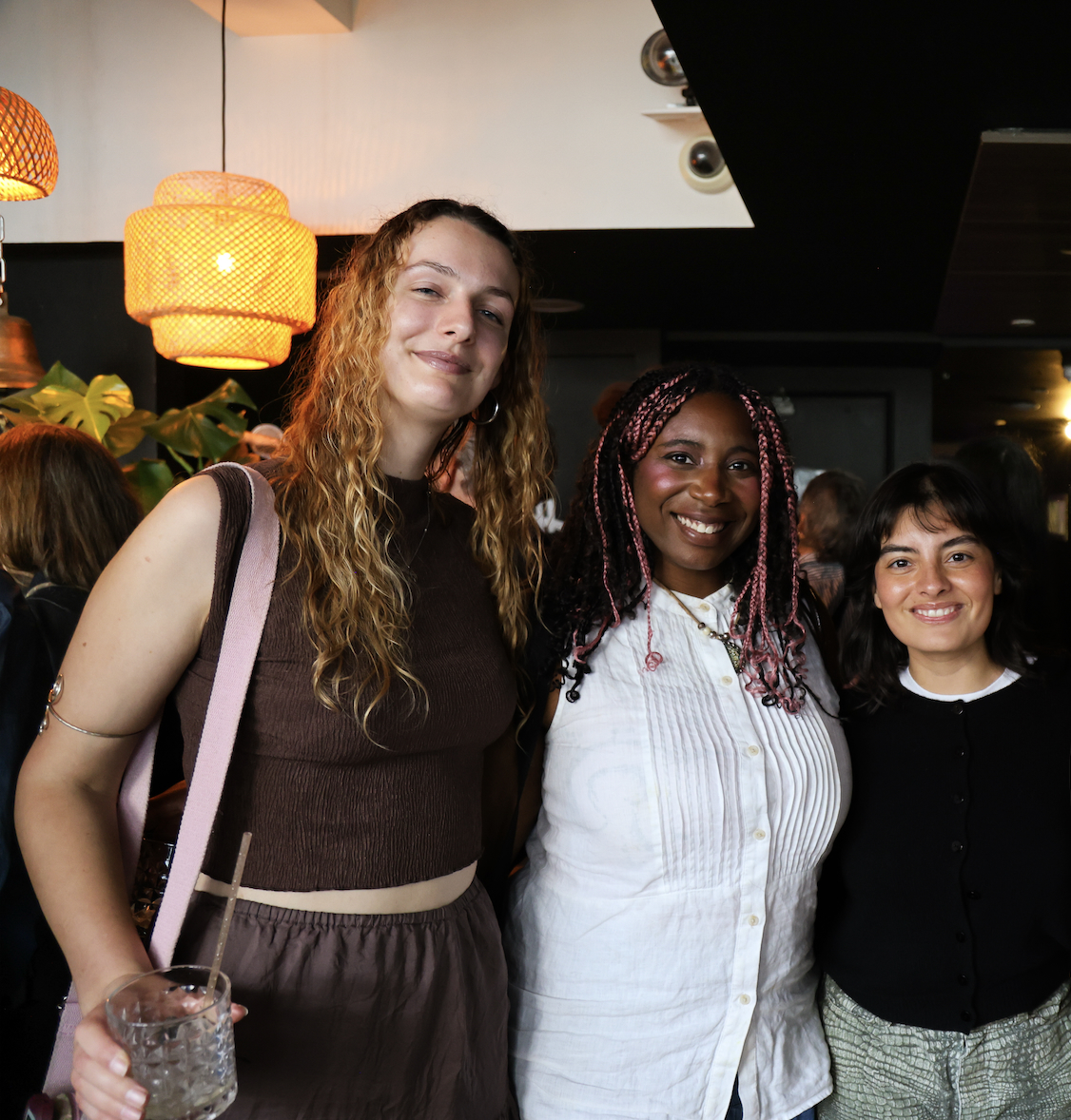
A major highlight of our discussion was identifying the true villains of this crisis. The documentary intimately features a sympathetic logger, a man destroying the forest simply as a means of personal survival. Stevens defended the inclusion of this perspective precisely because it highlights the staggering inequity of the situation: while the logger can barely afford basic necessities, the real profits flow to massive conglomerates. He did not mince his words, explicitly calling out Cargill—an American agricultural giant whose founding family includes 16 billionaires—and JBS, a Brazilian meat processing behemoth. Together, they are the two largest destroyers of the rainforest. Crucially, this is not a distant, localized issue; the supply chain leads directly to our local high streets. The beef and soy used in products at major supermarkets across Europe and the U.S., such as Tesco, Aldi, and Walmart, are directly linked to this systemic deforestation.
“I’d say the most important thing you can do is when you buy a table, or whatever you consume… [look at where it’s] coming from.”
The power of We Are Guardians also lies in how the story is told. The project was deeply collaborative, but its soul came from its indigenous co-director and cinematographer, Edivan Guajajara. Provided with camera tutorials by his co-directors, he captured some of the documentary’s most intimate footage.
The production team’s commitment extends far beyond the final cut. Rather than simply extracting a story and leaving, the filmmakers successfully raised $1.2 million through the documentary to directly fund the Guardians. This capital equips the frontline defenders with the equipment, uniforms, and resources required to safely patrol and protect their territories.
When I asked Stevens for the single most important action we can take as individuals, his directive centered on our purchasing power and direct support. “I’d say the most important thing you can do is when you buy a table, or whatever you consume… [look at where it’s] coming from,” he advised. He reiterated this specifically regarding supermarket meat and poultry feeds, warning, “You should look at where it comes from, because a lot of that comes from JBS”. Additionally, the documentary’s website also still continues to raise funding for the guardians.
While the scale of the destruction seen in the documentary is daunting, the incredible determination of the Guardians, and the tangible political shifts currently underway thanks to their efforts, proves that the fight to mitigate the climate crisis is a fight we can genuinely win.
All imagery by Rada. Film trailer courtesy of Fisher Stevens/Highly Flammable Productions. Special thanks to L’Acoustics and Polygon Live.